
Fair prices. Fast approvals. Your health always comes first. Get Qualified for a Iowa Medical Marijuana Card Today.
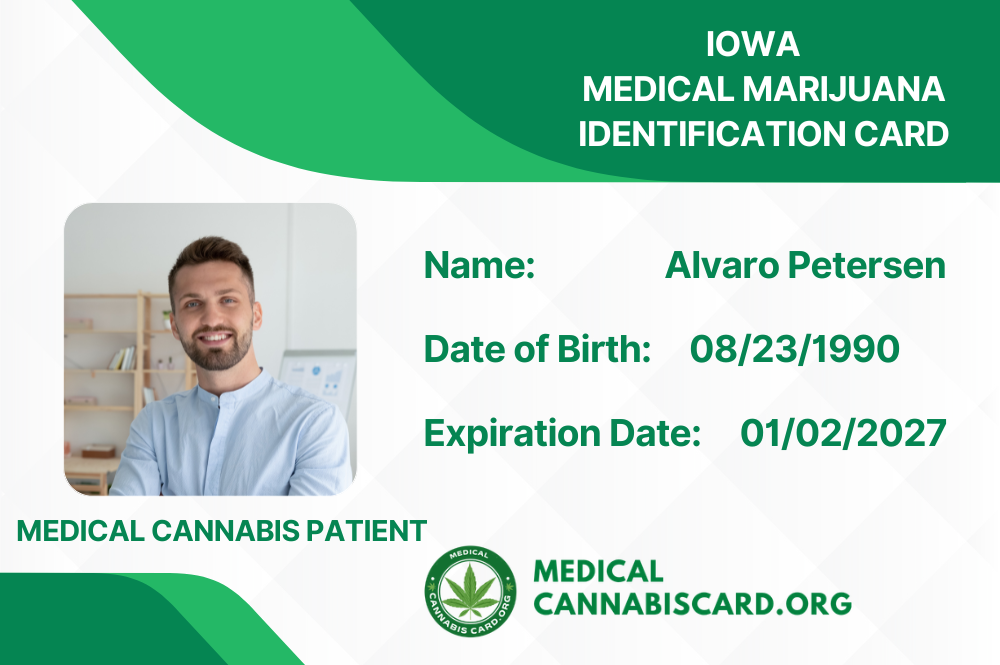
Living in the heart of the Midwest brings a lot of joy, from the vibrant colors of the Loess Hills in autumn to the excitement of the Iowa State Fair. However, for many residents living in cozy bungalows in Des Moines or historic farmhouses in rural Sioux County, chronic health issues can cast a shadow over these experiences. If you are seeking natural relief, the first step is knowing the qualifying conditions for Medical Card in Iowa 2026. Understanding these requirements is the key to accessing the state’s Medical Cannabidiol Program legally and safely.
Iowa’s program is strictly regulated to help patients with debilitating medical issues. The state does not use the term “recreational,” so having a documented condition is mandatory. The qualifying conditions for the Medical Card in Iowa 2026 cover a broad range of physical and neurological disorders.
Chronic pain is the most common reason Iowans seek a medical card. To qualify, the pain must be permanent or last longer than six months. If your daily life in a suburban split-level home in Ankeny is hindered by back pain or joint issues, you may be eligible. The state looks for pain that has not responded to traditional treatments or where the patient seeks to avoid opioid use.
PTSD is a significant focus of the Iowa program. This includes veterans and survivors of trauma. If you find that loud noises or certain environments make it hard to enjoy a walk through Pappajohn Sculpture Park, speaking to a doctor about your PTSD symptoms is a vital step toward healing.
Any type of cancer qualifies if it is associated with severe or chronic pain, nausea, or severe vomiting. The goal is to provide comfort during difficult treatments like chemotherapy.
MS can cause severe muscle spasms and loss of mobility. For residents living in multi-story Victorian homes in Dubuque, managing these spasms is essential for navigating stairs and maintaining independence.
This includes those characteristics of epilepsy. Patients who have not found relief through standard anti-seizure medications often find that medical cannabidiol helps reduce the frequency and intensity of episodes.
Inflammatory bowel diseases can be life-altering. If these conditions keep you from enjoying a meal at your favorite local diner in Ames, a medical card may offer the relief you need to return to a normal routine.
Patients diagnosed with HIV or AIDS qualify, especially if the condition or its treatment leads to “wasting syndrome” or severe chronic pain.
Commonly known as Lou Gehrig’s Disease, ALS is a qualifying condition that focuses on palliative care and symptom management.
Parkinson’s can cause tremors and motor control issues. The program aims to help patients regain some stability in their daily movements.
If a patient has a terminal illness with a life expectancy of less than one year, they automatically qualify for the program to ensure their final months are as comfortable as possible.
Knowing the qualifying conditions for Medical Card in Iowa 2026 is only the start. You must have your condition verified by a licensed healthcare practitioner. In 2026, this process is more streamlined than ever before.
Iowa is a state of strong communities and hardworking people. Whether you spend your weekends cheering at Kinnick Stadium or fishing on the Mississippi River, your health shouldn’t hold you back.
Iowa weather is extreme. The high humidity in July can worsen inflammation for those with Crohn’s or MS. Conversely, the extreme cold of February often triggers flare-ups of chronic pain and stiff joints. Having legal access to medical cannabidiol means you have a tool to manage these seasonal challenges from the comfort of your home.
Many Iowans live in close-knit neighborhoods with traditional ranch or two-story homes. Privacy is important. The 2026 online application process ensures your medical history remains confidential between you, your doctor, and the state. You can receive your digital card without the whole neighborhood knowing your business.
It is important to remember that Iowa’s law focuses on “Medical Cannabidiol.” This includes preparations of the cannabis plant that are administered via:
While other states allow smoking, Iowa’s 2026 regulations remain focused on pharmaceutical-grade delivery methods to ensure precise dosing for patients.
If you recognize your health struggles in the list of qualifying conditions for Medical Card in Iowa 2026, there is no reason to wait. Relief is closer than you think. You don’t have to navigate the complex world of healthcare alone. By choosing a professional online evaluation, you can skip the long wait times at the clinic and get your certification from your own living room.
Join the thousands of your neighbors in Cedar Rapids, Davenport, and Council Bluffs who have already taken control of their wellness. Check your eligibility today and see if you meet the qualifying conditions for Medical Card in Iowa 2026.
Currently, general anxiety is not on the list of qualifying conditions for Medical Card in Iowa 2026. However, if your anxiety is a symptom of PTSD, you may qualify under that category.
The Iowa Medical Cannabidiol Board meets periodically to review petitions for new conditions. If your condition isn’t listed, keep an eye on state updates or discuss related symptoms (like chronic pain) with your doctor.
Yes, Iowa has a “4.5-gram total THC per 90-day period” limit for most patients. However, your doctor can waive this limit if they believe your condition (like late-stage cancer) requires a higher dose.